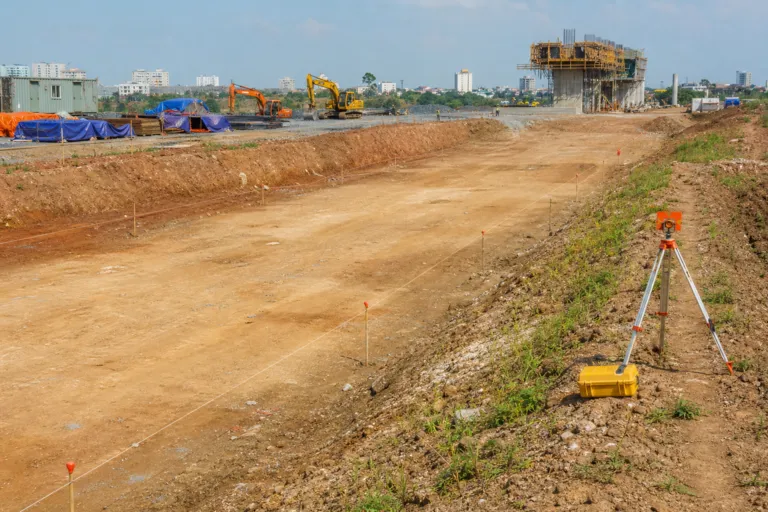
The planned Vietnam North-South high-speed railway is being framed as far more than a faster way to move between Hanoi and Ho Chi Minh City. Sources describe it as a flagship, spine-like corridor running the length of the country, with a planned route length of 1,541 km. Multiple reports cite a preliminary investment envelope of more than VND1.7 quadrillion, with one estimate equating that to around USD67.34 billion. The B1M also characterizes the project as Vietnam “spending 17 percent” of its GDP on a single megaproject, and calls it the most expensive infrastructure project in Vietnam’s history. For contractors, that combination implies long-duration packages, complex interfaces, and high standards for delivery under national scrutiny.
For investors, the timing and governance milestones matter as much as the headline ambition. VietnamNet reports that feasibility study preparation, appraisal, approval, and groundbreaking activities are scheduled across a wide window from Q4/2026 to Q4/2028, with the railway expected to be substantially completed by 2035. The same report says selection of consulting firms for the feasibility study is expected to begin in June 2026, and that an interim feasibility study report is scheduled for completion by June 2027. That sequencing creates a clear near-term market: advisory and engineering services come first, then follow-on work as approvals lock and early works mobilize. It also signals that procurement readiness is a decisive variable, not an afterthought.
December 2027 Is Becoming the Working Start Line
Several sources converge on a later, more specific construction start signal. VnEconomy says the Ministry of Construction is targeting breaking ground in December 2027, while proceeding with selection of consultant contractors to prepare the feasibility study report and aiming to finalize that consultant selection in Q4/2026. The Traveler similarly reports that planning documents and local coverage point to a revised start date in late 2027, describing December 2027 as the key month for initial civil works on priority segments near Hanoi and Ho Chi Minh City. For contractors, this narrows planning horizons for capacity, equipment, and partnerships, while still leaving enough runway for qualification, local supply development, and bid strategy.
Technical outlines cited in The Traveler add important texture for delivery teams. The line is described as double-track standard gauge and engineered for maximum speeds of about 350 km/h, with around 23 passenger stations and several freight facilities along the route. The same source says the project aims to cut today’s north–south rail journey from more than 30 hours to roughly five and a half. Those specs are not just marketing points. They shape civil tolerances, systems integration, and the long tail of testing and commissioning that typically follows. They also influence who wins work: firms that can manage high-speed rail interfaces and compliance-driven documentation are better positioned as the project moves from concept to contracts.
Finally, the project’s scale is being contextualized against other megaprojects, which matters for investor expectations around political sensitivity and delivery risk. The B1M compares the stated scale to the UK’s HS2 at roughly 2.5% to 3% of the UK’s annual GDP by some estimates, and Indonesia’s Jakarta–Bandung high-speed rail at roughly 0.55% of GDP, while also noting China’s Three Gorges Dam at less than half a percentage of China’s GDP. Market Research Vietnam adds that Vietnam’s National Assembly rejected a high-speed rail proposal in June 2010 after deliberations, reportedly due to a US$56 billion cost, before later approval was cited in November 2024. For investors, that history reinforces a core point: structuring, phasing, and public-budget signals can be as decisive as engineering.
When is groundbreaking currently targeted for Vietnam’s north–south high-speed rail project?
How long is the planned route between Hanoi and Ho Chi Minh City?
What feasibility milestones should contractors watch first?
What performance and station details have been published so far?
How does the Vietnam North-South high-speed railway compare in scale to other megaprojects cited in coverage?