

Sustainable aviation fuel Egypt is becoming a critical link in the global aviation energy shift. As European airlines face strict mandates to cut emissions, the Middle East is responding by converting waste, including used cooking oil, into jet fuel. Egypt now stands out as both a producer and a key supplier of feedstock in this fast-growing market.
EU Mandates Are Driving the SAF Rush
Europe has made its direction clear. Airlines must blend 2% sustainable aviation fuel (SAF) by 2025, with the target rising steadily to 70% by 2050. These rules are reshaping fuel supply chains far beyond Europe.
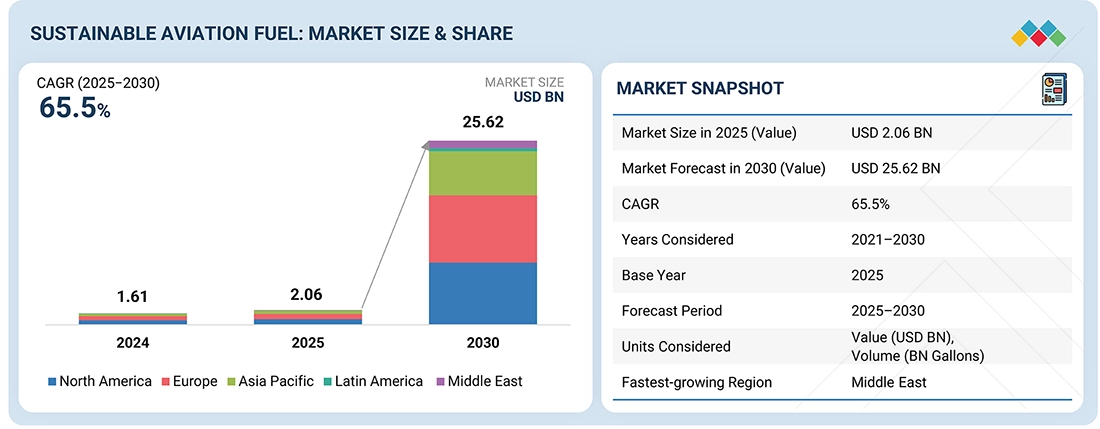
Global SAF production today covers only 0.5% of jet fuel demand. Yet demand is moving fast. It is expected to grow from 1.9 million tonnes in 2025 to 17.6 million tonnes by 2035. Mandated demand alone could reach 4.5 million tonnes by 2030, with even more coming from voluntary targets.
This gap between demand and supply has pushed Middle Eastern refineries to act. Many are now converting used cooking oil and other waste into export-ready SAF for Europe.
Sustainable Aviation Fuel Egypt Moves From Concept to Reality
Talking about Egypt, the nation is no longer on the sidelines. It is building real capacity.
The ESAF Company is developing a project designed to produce 120,000 tons of SAF per year, using local waste feedstocks. The goal is to cut carbon emissions by up to 400,000 tons annually.
In parallel, a $200 million joint venture with Qatar’s Al Mana Holding is launching a SAF facility in the Suez Canal Economic Zone. Phase one alone targets 200,000 tonnes of SAF per year.
These projects offer proof that Egypt can scale quickly. They also protect an industry that supports nearly 1.4 million aviation-related jobs across the country.
Sustainable Aviation Fuel Egypt: The Country’s Role as a Feedstock Supplier
Used cooking oil has become the dominant feedstock for SAF worldwide. Egypt is well positioned here. Its large population, food sector, and waste streams provide steady access to this critical input.
Projects in the Suez Canal Zone are built around local used cooking oil. This reduces reliance on imports and strengthens Egypt’s role as a regional supply hub. The ESAF project, with 85% public sector ownership, further anchors this strategy by localizing technology and feedstock collection.
This approach aligns Egypt with global SAF trends while supporting domestic value creation.
Why SAF Production Matters for the Global Market
SAF can cut greenhouse gas emissions by around 80% compared to fossil jet fuel. With more than 200 SAF projects now in development worldwide, competition is rising. Capacity could exceed 33 million tonnes by 2030 if all announced projects proceed.
Egypt’s advantage lies in timing and location. It sits close to Europe, near major shipping routes, and inside a region already adapting refineries for SAF exports.
Read Also: Green Ammonia Export MEA Unlocks The Future of Shipping Fuel
The Road Ahead for Sustainable Aviation Fuel Egypt
Sustainable Aviation Fuel Egypt is no longer just an energy story. It is a trade, jobs, and competitiveness story. Investors and industry players looking to understand this fast-moving market can explore tailored insights and advisory services from Eurogroup Consulting Middle East and Asia. With 40 years of distinguished experience and a strong focus on market research in Egypt and the region, Eurogroup Consulting is a trusted partner for navigating the country’s rapidly evolving sustainable fuel landscape.