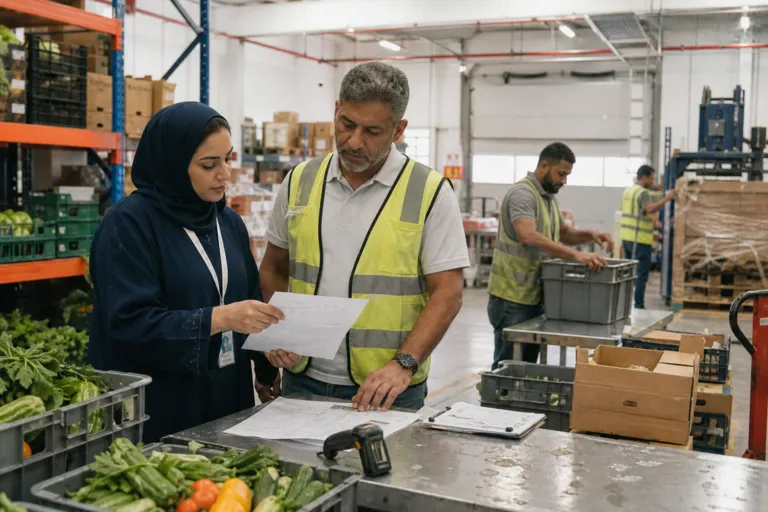
“Plate to policy” is becoming a practical operating model in the UAE. Net Zero 2050 direction and the push for a fully circular economy are shaping how brands think about materials, procurement, and accountability. Packaging manufacturer Hotpack frames this as culture and duty, not a compliance checklist, saying sustainability is part of its innovation strategy and responsibility to communities. Its leadership also describes regulation as a roadmap to “innovate with purpose.” For UAE F&B sustainability sourcing, that means upstream choices increasingly have to match downstream expectations on waste, recyclability, and responsible production.
Regulatory signals are also explicit. Hotpack points to national single-use plastics regulations and Dubai’s Executive Council Resolution 124 of 2023 as part of the policy set reshaping consumer behaviour, manufacturing standards, and corporate responsibility. The intent is to reduce waste, curb plastic pollution, promote circular materials, and encourage sustainable alternatives without compromising economic growth. Hotpack says it has invested heavily in alternative materials, circular systems, and compliance-led manufacturing to ensure it meets, and aims to exceed, evolving requirements. This is the sourcing ripple effect: material specs and supplier selection become policy-sensitive decisions.
From Local Supply Chains to Local Value Creation
Policy is also pulling the food system toward localized capacity, not only localized purchasing. A Khaleej Times report on vertical farming and AI notes that produce can move from harvest to shelves within 24 to 48 hours, reducing storage time and waste while improving freshness. It adds that the UAE’s food strategy is increasingly interconnected with logistics, supply chain efficiency, and digital infrastructure. Al Ain Farms Group CEO Hassan Safi describes expanded collaboration as strengthening the local supply chain that supports products, supporting “in-country value,” and aligning with the ambition to produce more of what the UAE consumes within its own borders.
Industrial ecosystems influence what “sustainable” sourcing can look like in practice. In Ras Al Khaimah, sustainability has been positioned as part of industrial strategy, with Net Zero 2050 and Operation 300bn anchoring new investment policy. In facilities terms, RAKEZ reports it has reduced electricity use by nearly 1%, lowered water consumption by close to 2%, and cut streetlighting energy consumption by more than 60%. The point for food brands is not the exact facility type, but the operating logic: incremental efficiency and utility management can stabilize performance across large sites, including manufacturing and logistics that sit behind food availability.
“Circular” is also becoming measurable. Khaleej Times reports the UAE has set a target to divert 75 per cent of waste from landfills, and that RAK’s Sustainability Strategy 2050 incorporates landfill diversion, recycling expansion, and industrial symbiosis models. Industrial symbiosis is framed as waste from one production stream becoming input for another, reducing disposal volumes while lowering energy and material costs. In parallel, Sharjah’s Sustain Sharjah platform links hotels to emissions-reduction suppliers, with one cited example of on-site water bottling using reusable glass bottles to eliminate plastic waste from a beachfront property.
Repositioning, however, must survive margin pressure. Food Chain Magazine argues that food manufacturers making progress are not chasing dramatic declarations, because economics still drives timelines and every cost faces scrutiny. It notes that corporate directives to reduce emissions come with an asterisk: projects must justify the price tag. Taken together, the UAE picture is clear: policy sets direction, industrial hubs operationalize efficiency, and brands adapt sourcing and packaging to reduce waste and meet new standards. UAE F&B sustainability sourcing increasingly means buying for resilience, circularity, and compliance at once.
What does “Plate to Policy” mean for UAE food brands?
How is UAE F&B sustainability sourcing affected by plastics policy?
What role does localized production play in reducing waste?
Which measurable sustainability target is cited for waste in the UAE?
Why do some manufacturers pace net-zero actions over time?