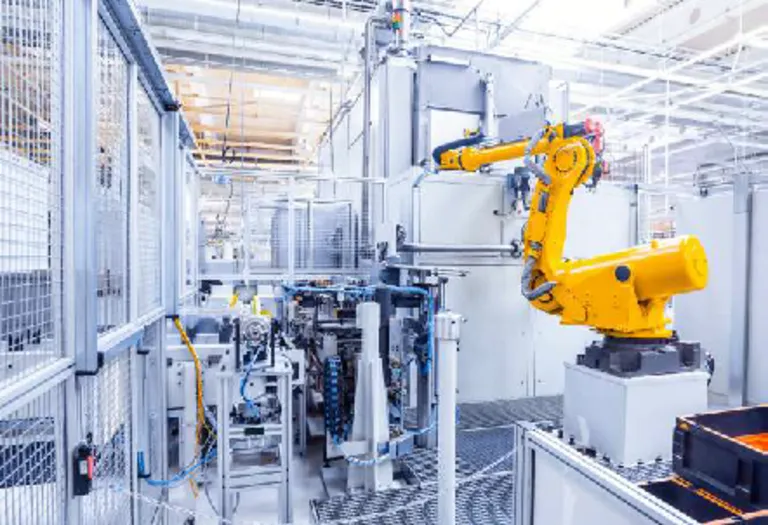
ASEAN continues to strengthen its position as a major manufacturing hub, supported by shifting global supply chains, expanding industrial capabilities, and growing interest from international investors. As companies diversify their production networks, Southeast Asia offers opportunities for manufacturing expansion, regional integration, and technological innovation.
Eurogroup Consulting's Rising Tides in the East whitepaper explores the key trends shaping ASEAN's manufacturing landscape, including foreign investment, evolving production strategies, and Industry 4.0 adoption. These developments highlight the region's potential for businesses seeking to strengthen their supply chains, improve operational efficiency, and establish a more competitive presence across Southeast Asia.
Read the full report here.
Five Figures Behind the Manufacturing Opportunity
ASEAN's manufacturing sector has become a significant contributor to the regional economy, generating more than US$700 billion in output and accounting for approximately 17% of ASEAN's GDP. The region also attracted US$223 billion in foreign direct investment (FDI) inflows in 2023, highlighting its appeal as a destination for international investment and industrial expansion.
Beyond its economic scale, ASEAN is benefiting from shifting global production strategies. With approximately 70% of global manufacturers adopting a China+1 approach, Southeast Asia offers opportunities for companies looking to diversify their supply chains, expand production capacity, and establish a stronger regional presence.
Technological transformation adds another dimension to this opportunity. ASEAN's Industry 4.0 market is projected to reach US$250 billion by 2030, pointing to growing potential in automation, smart manufacturing, and digital industrial solutions.
Together, these five figures highlight ASEAN's manufacturing scale, investment appeal, supply chain opportunities, and technological potential, reinforcing its strategic relevance for businesses considering industrial expansion in Southeast Asia.
Why Multi-Country Strategy Deserves Attention
ASEAN's diverse manufacturing landscape offers businesses opportunities to build more competitive and resilient production networks. Each market brings different strengths in industrial specialization, workforce capabilities, infrastructure, and supply chain development. For companies expanding across Southeast Asia, a multi-country strategy can help combine these advantages while reducing dependence on a single production location.
However, the right approach depends on each company's operational priorities. Manufacturers of high-value components may prioritize advanced technology, specialized talent, and established industrial ecosystems, while labor-intensive industries may focus on production costs, workforce availability, and logistics efficiency.
The growing adoption of Industry 4.0 technologies adds another dimension to regional expansion strategies. Automation, smart manufacturing, and digital solutions can help businesses improve productivity, strengthen supply chain visibility, and enhance operational resilience.
For investors and manufacturers, success requires looking beyond ASEAN's overall growth figures to understand the opportunities within individual markets and sectors. Eurogroup Consulting's Rising Tides in the East whitepaper provides insights into the region's evolving manufacturing landscape, helping businesses assess market opportunities, identify strategic priorities, and develop more effective regional expansion strategies.